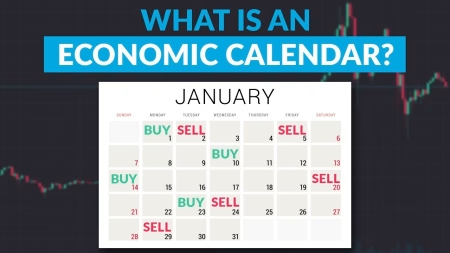




Forex Economic Calendar – In the fast-paced world of Forex trading, staying informed about economic events can be the difference between profit and loss. As we enter 2025, understanding and utilizing the Forex Economic Calendar is more crucial than ever for traders who want to navigate through market volatility. This article is designed to provide an in-depth look at the Forex Economic Calendar, its significance, and how to effectively utilize it in your trading strategies.
What is the Forex Economic Calendar?
The Forex Economic Calendar is a schedule of economic events, reports, and releases that influence currency markets. This calendar is a vital tool for traders and investors as it helps them anticipate market movements based on economic data. Key indicators, such as GDP, unemployment rates, inflation statistics, and central bank decisions, are listed with their respective release dates and times.
Key Features of the Forex Economic Calendar
- Event Type: Economic calendars categorize events into different types, including high-impact, medium-impact, and low-impact events. High-impact events typically cause significant market reactions, while low-impact events may not have an immediate effect.
- Actual vs. Forecast: Each event includes the previous, forecasted, and actual figures released. Comparing these helps traders gauge the market’s reaction based on how the outcome aligns with expectations.
- Currency Impact: The calendar indicates which currencies are affected by specific economic events, allowing traders to focus on relevant pairs.

Importance of the Forex Economic Calendar in 2025
As we move into 2025, understanding economic indicators will be essential for effective trading in the Forex market. Here’s why the Forex Economic Calendar holds significant importance:
1. Anticipating Market Volatility
Economic releases often lead to increased volatility in currency pairs. By monitoring the calendar, traders can anticipate potential market moves. For example, news about interest rate changes can lead to substantial fluctuations in currency values. Utilizing the calendar empowers traders to make informed decisions on when to enter or exit trades.

2. Aligning Trading Strategies with Economic Events
Traders can significantly enhance their strategies by aligning them with key economic events. For instance, some traders prefer to take positions before major data releases, while others may choose to trade after the news has been released, taking advantage of market reactions.
3. Managing Risk
Understanding when significant economic announcements are scheduled allows traders to manage risk better. For instance, if an important report is expected, a trader might choose to reduce exposure or implement tighter stop-loss orders to protect their capital during potential market swings.
How to Effectively Use the Forex Economic Calendar
To maximize the potential benefits of the Forex Economic Calendar, traders should consider the following practices:
1. Track Economic Releases
Regularly check the calendar for upcoming economic releases. Utilize resources like Forex Factory or Investing.com for real-time updates on economic events. These platforms offer detailed information on the indicators that can affect your trades.
2. Understand Key Economic Indicators
Familiarize yourself with the most impactful economic indicators, including:
- Gross Domestic Product (GDP): Reflects the economic performance of a country. A growing GDP often strengthens the currency.
- Non-Farm Payroll (NFP): A critical indicator of job growth in the U.S. economy; it can greatly influence the USD.
- Consumer Price Index (CPI): Measures inflation. High inflation often leads to interest rate hikes, impacting currency strength.
- Central Bank Decisions: Interest rate changes or monetary policy announcements made by central banks significantly impact currency movements.
3. Analyze Market Sentiment
Before key releases, market sentiment can often be gauged through the analysis of consensus forecasts. Pay attention to how traders position themselves before the event. Tools such as the Commitment of Traders (COT) report can provide insights into market sentiment.
4. Use Technical Analysis in Conjunction
Pairing the information from the Forex Economic Calendar with technical analysis can enhance trading strategies. For instance, if there’s a significant economic release coming up, and technical indicators point to a strong support or resistance level, traders can create a more robust plan.
5. Adjust Trading Plans Accordingly
Economic news can bring unforeseen market movements. Always be ready to adapt your trading plan based on the actual economic data released. If the actual numbers differ significantly from forecasts, the market’s reaction can provide trading opportunities.
Popular Platforms Offering Economic Calendars
Utilizing a reliable economic calendar is essential. Here are some platforms you can explore:
- TradingView: A comprehensive charting platform that also provides an economic calendar feature.
- DailyFX Economic Calendar: Offers detailed information on upcoming economic events, complete with insights and analysis.
- Forex Calendar from Myfxbook: This calendar is user-friendly and allows traders to customize their view based on country, impact, and type of news.
Conclusion
In 2025, the Forex Economic Calendar will be an indispensable tool for traders looking to navigate the currency markets. By staying informed about upcoming economic events and understanding how these events impact market movements, traders can position themselves for success.
Enhancing your trading strategy with data from the Forex Economic Calendar allows you to anticipate volatility, align your trading strategies, and manage risk effectively. As you delve deeper into Forex trading, ensure that the economic calendar becomes a regular part of your trading toolkit.
For the latest updates and in-depth analysis on trading strategies, make sure to visit Trading Market Signals for additional resources tailored to enhance your trading journey.