



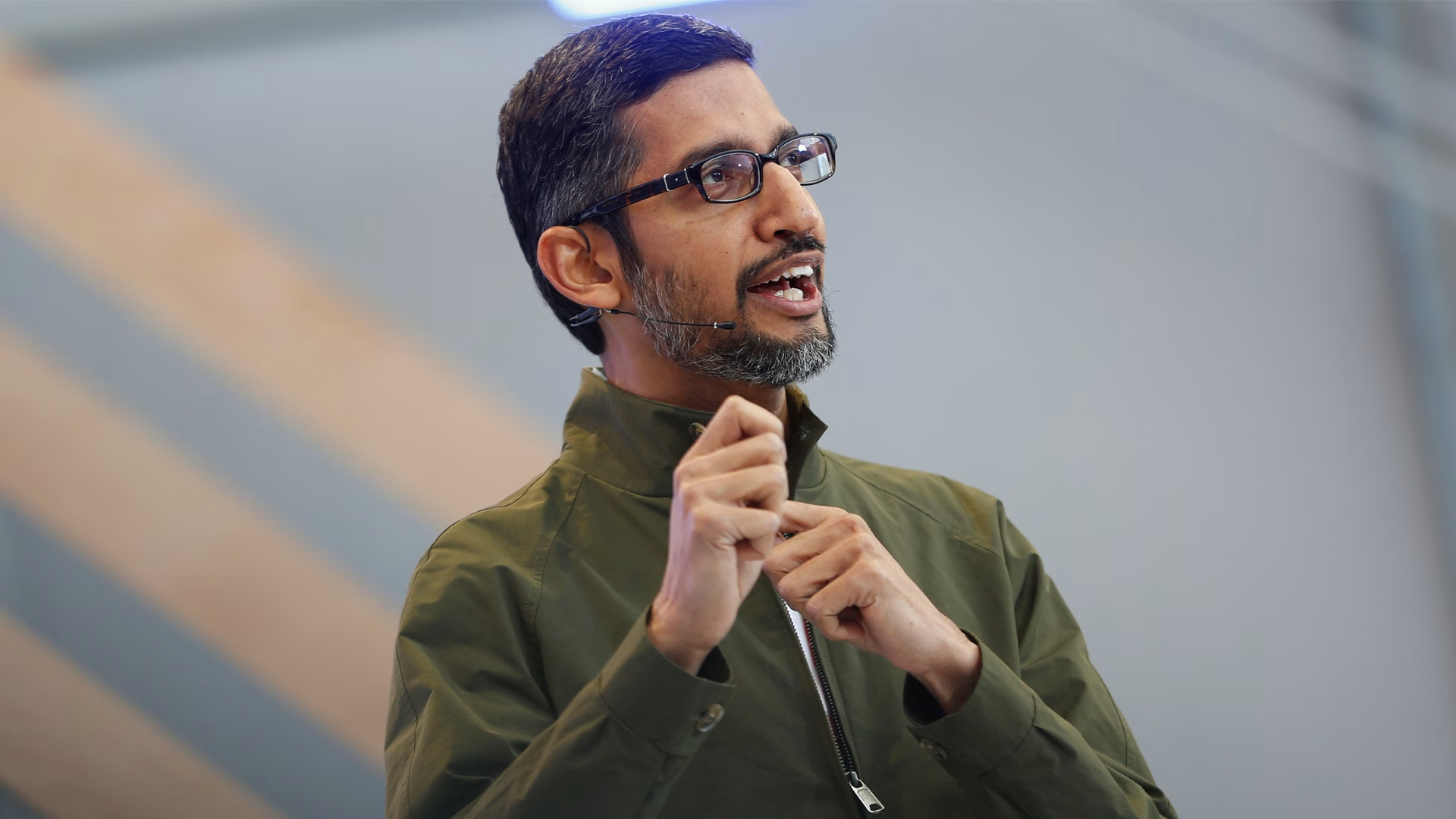

Google CEO Cautions BBC AI Bubble Burst
In a recent interview with the BBC, Google CEO Sundar Pichai expressed concerns regarding the potential repercussions of an AI bubble burst, emphasizing that such a scenario could have far-reaching implications for companies across all sectors. As advancements in artificial intelligence continue to drive innovation and investments, the notion of an unsustainable bubble has come under increased scrutiny. This article explores key insights from Pichai’s cautionary remarks, the landscape of AI investments, potential ramifications in the event of a bubble burst, and what businesses can do to navigate this landscape.

This extensive discussion not only sheds light on the current state of AI but also emphasizes the importance of a balanced approach to deploying AI technologies and managing associated risks.
The State of AI Investment
The Rise of AI Technologies
Artificial intelligence has rapidly evolved from a niche technology to a mainstream tool influencing various sectors, including healthcare, finance, retail, and transportation. Businesses have embraced AI for its ability to automate processes, enhance decision-making, and improve customer experiences.
- Innovation and Startups: AI has catalyzed the emergence of numerous startups, each vying for a piece of this burgeoning market. Investors have flocked to these companies, driven by the promise of high returns.
- Large Tech Players: Companies like Google, Microsoft, Amazon, and Facebook have made substantial investments in AI technologies. These firms recognize AI’s potential to drive competitive advantages and leverage data insights to enhance their products and services.
Investment Trends
However, the pace of investment has raised questions among some analysts. The influx of capital into AI startups has led to soaring valuations, prompting concerns that the market may be overheating.
- Skyrocketing Valuations: Many AI startups now possess valuations that do not correspond to their actual revenue, leading some to liken the current state of the market to a bubble.
- Investor Sentiment: An increasing number of investors are exhibiting caution. They recognize that a downturn in the AI sector could negatively affect not only startups but also established companies heavily invested in AI solutions.
The Bubble Burst Argument
The term “bubble” often implies that an asset’s price is inflated beyond its intrinsic value. The rapid rise of AI investment has prompted fears that the sector might be experiencing similar conditions.
- Historical Precedents: The dot-com bubble in the late 1990s serves as a cautionary tale. Many internet companies with negligible revenue were launched with astronomical valuations, leading to a market collapse.
- Contingent Dynamics: Factors such as regulatory changes, shifts in consumer sentiment, or technological breakthroughs could trigger a rapid devaluation of AI investments, leading to a bubble burst.
Pichai’s Cautionary Message
In his conversation with the BBC, Pichai articulated several key points regarding the potential impact of an AI bubble burst:
Broader Economic Impact
- All Firms At Risk: Pichai underscored that the consequences of an AI bubble burst would extend beyond tech firms. Industries increasingly reliant on technology and data-driven decision-making would feel the effects.
- Sector Synchronization: Many companies are integrating AI into their operations. A downturn within the AI sector could lead to a broader economic slowdown, affecting everything from hiring to budgets.
The Importance of Sustainability
Pichai emphasized the need for sustainable growth in AI investments:
- Focus on Fundamentals: Companies must focus on building solid foundational capabilities rather than chasing trends for the sake of short-term gains. Understanding the technology and its implications is crucial for long-term success.
- Accountability and Ethics: As companies implement AI technologies, ethics and accountability must remain at the forefront. Responsible AI use not only aligns with societal expectations but also fosters consumer trust.
Navigating Uncertainty
Pichai’s insights resonate particularly in an era where uncertainty is prevalent:
- Assessment and Risk Management: Companies should assess their exposure to AI investments and establish risk management protocols to mitigate potential financial fallout.
- Strategic Adaptation: Businesses need to be flexible and willing to adapt to changing market dynamics, updating their strategies as necessary in response to emerging technologies and trends.
Implications of an AI Bubble Burst
Effects on Startups and Investors
- Valuation Adjustments: A bubble burst could lead to a recalibration of startup valuations, especially for overhyped ventures. Investors may find themselves holding positions in companies that face financial instability or insolvency.
- Investment Caution: Investors might shift their focus to more established companies with proven AI capabilities or diversify their portfolios to reduce exposure to the volatile AI sector.
Impact on Established Corporations
- Budget Constraints: Established firms heavily invested in AI initiatives may face budget cuts, which could stall innovation and disrupt ongoing projects.
- Market Competition: With the potential for diminished funding and increased skepticism toward new AI projects, competition within and across sectors may intensify, leading to a race for sustainable growth.
Societal and Economic Repercussions
- Job Market Considerations: As firms cut back on AI investments, the resulting layoffs could impact the job market, particularly within tech sectors where AI talent is concentrated.
- Heightened Regulatory Scrutiny: A bubble burst might prompt increased scrutiny from regulatory bodies. Policymakers may push for regulations aimed at promoting transparency and ethical AI practices.
Preparing for the Future
For businesses aiming to navigate the complexities of the AI landscape, several strategies can be implemented:
Enhance Analytical Capabilities
Companies should strengthen their analytical capabilities to gauge their investment in AI accurately. Understanding market trends and consumer behavior can inform strategic decision-making:
- Data-Driven Insights: Organizations must leverage data analytics tools to predict market shifts and adjust their AI strategies proactively.
- Competitive Analysis: Monitoring competitors’ moves within the AI sector helps businesses anticipate challenges and opportunities in a rapidly changing environment.
Embrace Responsible AI Practices
Prioritizing ethical practices in AI development reinforces a positive corporate image while mitigating risks associated with unregulated practices:
- Ethical Frameworks: Establishing clear ethical guidelines regarding AI deployment promotes responsible behavior and safeguards against reputational damage.
- Stakeholder Engagement: Involving stakeholders in discussions about AI strategies fosters transparency and builds trust, often leading to more innovative solutions and collaborations.
Continuous Learning and Development
Investing in workforce education and training is crucial for sustaining competitive advantages in an evolving technological landscape:
- Upskill Employees: Workshops and training sessions on emerging AI technologies equip employees with the skills necessary to navigate transformations.
- Foster Innovation Culture: Encouraging a culture of innovation creates a conducive environment for experimentation, enabling organizations to adapt to changes in the market.
Conclusion
Sundar Pichai’s cautionary remarks to the BBC highlight a critical conversation regarding the future of AI and its potential pitfalls. As investments in artificial intelligence surge, recognizing the warning signs of a bubble and preparing for potential consequences is essential for businesses across all industries.
Understanding the dynamics of AI investments and the implications of a potential downturn can enable organizations to craft robust strategies, emphasizing sustainable growth and ethical practices. By embracing analytical capabilities, fostering responsible innovations, and prioritizing employee development, firms can mitigate risks and position themselves for success in an increasingly AI-driven world.
As we continue to monitor the evolution of AI technologies and investment landscapes, it is crucial for all stakeholders to remain informed, adaptable, and vigilant in addressing both opportunities and challenges that lie ahead.
For further insights and updates on the AI sector and market trends, visit Trading Market Signals to stay informed of developments shaping the business landscape.