



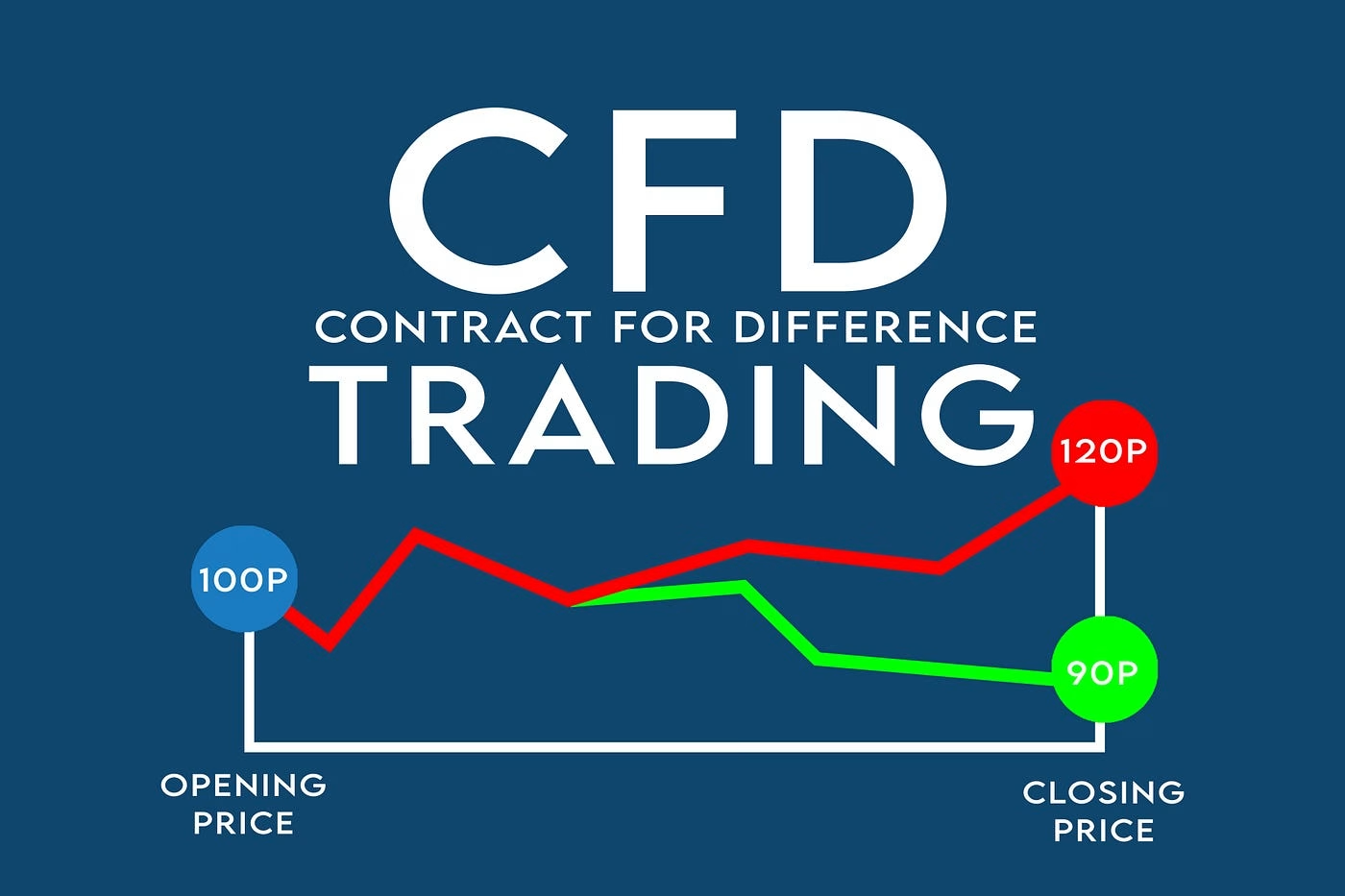

How to Open a CFD Trading Account
How to Open a CFD Trading Account, Contract for Difference (CFD) trading has become increasingly popular among retail investors due to its potential for high returns and versatility in trading various asset classes including stocks, commodities, ETFs, and indices. However, opening a CFD trading account is a crucial step that requires careful consideration and understanding. This comprehensive guide will provide you with all the information you need on how to open a CFD trading account, including the steps involved, requirements, and tips for success.

What is CFD Trading?
Before we dive into the details of opening a CFD trading account, it’s essential to understand what CFD trading is.
What is a CFD?
A CFD, or Contract for Difference, is a financial derivative that allows traders to speculate on the price movement of an asset without actually owning the underlying asset. Instead, traders enter into a contract with a broker to exchange the difference in the price of an asset from the time the contract is opened to when it is closed.

Benefits of CFD Trading
- Leverage: CFDs allow you to amplify your market exposure with a small initial investment. For example, you may only need to deposit 10% of the trade value to control a more significant position.
- Variety of Markets: CFDs provide access to various asset classes, including stocks, indices, forex, and commodities. This allows diversification and the chance to profit from different market movements.
- Flexibility: Whether you anticipate a price increase or decrease, CFDs give you the ability to go long (buy) or short (sell), offering opportunities in both rising and falling markets.
- No Ownership Costs: Since you never own the underlying asset, you won’t incur any costs related to holding those assets, like custody fees or commission fees for physical transactions.
Risks of CFD Trading
While CFD trading offers significant advantages, it also comes with risks:
- Leverage Risk: Using leverage can amplify losses, which can exceed your initial deposit. It’s vital to understand how leverage works.
- Market Volatility: Price fluctuations can happen quickly. This volatility can lead to significant losses for unprepared traders.
- Counterparty Risk: Since CFDs are contracts with your broker, the stability of the provider is crucial. If the broker fails, your investment may be at risk.
Steps to Open a CFD Trading Account
Step 1: Research and Choose a Reliable Broker
Before opening a CFD trading account, research and select a reputable brokerage firm. Here are some critical factors to consider:
- Regulation: Ensure the broker is regulated by recognized authorities, such as the Financial Conduct Authority (FCA) in the UK, the Australian Securities and Investments Commission (ASIC), or the Securities and Exchange Commission (SEC). This ensures your funds are protected.
- Trading Platforms: Look for brokers offering user-friendly platforms with advanced trading tools and features. Popular platforms include MetaTrader 4 (MT4), MetaTrader 5 (MT5), and proprietary platforms.
- Fees and Spreads: Compare the trading fees, spreads, and commissions charged by different brokers. Lower costs can significantly impact your profitability over time.
- Customer Support: Reliable customer support is essential, especially for new traders. Check for availability through various channels, including chat, email, and phone.
- Account Types: Some brokers provide different account types designed for specific trading needs. For example, brokers like eToro or AvaTrade offer diverse account options.
Step 2: Complete the Online Registration Process
Once you’ve selected a broker, the next step is to create your account.
- Visit the Broker’s Website: Navigate to the registration or signup section of the broker’s website.
- Fill Out the Registration Form: Provide your personal information, including your name, email address, phone number, and country of residence. Some brokers may also request your trading experience and knowledge level.
- Agree to Terms and Conditions: Review and accept the broker’s terms and conditions. It’s crucial to read these documents carefully to understand your rights and obligations.
Step 3: Verify Your Identity
Most brokers require identity verification as part of their compliance with regulatory standards, which is essential for preventing fraud and money laundering. Here’s what you typically need:
- Proof of Identity: Submit a government-issued ID, such as a passport or driver’s license.
- Proof of Address: Provide a recent utility bill, bank statement, or official document that shows your name and address.
The verification process may take some time, but it’s vital for protecting your account.
Step 4: Fund Your Account
After your account has been verified, you need to deposit funds to start trading. Brokers usually provide multiple funding options, including:
- Credit/Debit Card: Allows for quick deposits but may have fees.
- Bank Transfer: Good for higher amounts, but it may take a few days to process.
- E-Wallets: Solutions like PayPal, Skrill, and Neteller offer fast transactions with potential fees.
Step 5: Choose a Trading Platform
Once your account is funded, you’ll need to familiarize yourself with the trading platform provided by your broker. This platform is where you’ll conduct all your trading activities.
- Downloading Software: If your broker offers downloadable software, such as MT4 or MT5, download and install it.
- Accessing the Web-Based Platform: Many brokers also offer web-based platforms that require no downloads, making it easier to trade from any device.
- Practice on a Demo Account: Most brokers offer a demo account to help you familiarize yourself with the platform. Use this feature to practice trading without risking real money.
Step 6: Start Trading CFDs
Now that your CFD trading account is ready, it’s time to start trading.
- Select the Market: Choose the asset or market you want to trade (e.g., stocks, commodities, forex).
- Analyze the Market: Use technical analysis, fundamental analysis, or both to identify entry and exit points for your trades.
- Open a Trade: Place a buy or sell order based on your market analysis.
- Monitor Your Trades: Keep track of your trades to manage your positions effectively.
Tips for Successful CFD Trading
1. Educate Yourself
Before trading, invest time in learning about trading strategies, market analysis techniques, and risk management practices. Numerous resources, including online courses, webinars, and trading books, are available on platforms like Investopedia to help you expand your knowledge.
2. Manage Your Risks
Implement proper risk management techniques to protect your capital. Common methods include using stop-loss orders, setting profit targets, and risking only a small percentage of your trading capital per trade.
3. Keep a Trading Journal
Document your trades, strategies, and outcomes to identify patterns and refine your trading approach. A trading journal helps you learn from both winning and losing trades.
4. Stay Informed on Market Trends
Follow market news and economic indicators that may impact asset prices. Use reliable sources such as Bloomberg and Reuters to stay updated on relevant financial news.