

Close Menu
  • Home
  • Markets
    • Stocks
    • indices
    • Forex
    • Commodities
  • Education
    • Forex Trading Basics
    • MT4 Indicators
  • Trading Courses
  • News

Subscribe to Updates

Get the latest creative news from FooBar about art, design and business.

What's Hot
oil price surge stocks - crude oil chart above $100

S&P 500 Weekly Losing Streak Extends to Three as Index Hits 2026 Low

March 14, 2026
stagflation risk stocks - rising inflation and stagnant growth

Stagflation Risk Stocks: Why Oil and Weak Jobs Threaten a 1970s Replay

March 13, 2026
oil price crash iran - crude oil chart showing dramatic price decline

Oil Price Crash Iran: Crude Drops 12% as Trump Signals De-Escalation

March 11, 2026
trendcatch.
Facebook X (Twitter) Instagram
Facebook X (Twitter) Instagram WhatsApp
Market Signals
Open Free Trading Account
  • Home
  • Markets
    1. Stocks
    2. indices
    3. Forex
    4. Commodities
    5. View All
    oracle q3 earnings - cloud and AI infrastructure driving growth

    Oracle Q3 Earnings Preview: Can AI Cloud Growth Rescue ORCL After Q2 Miss?

    March 10, 2026
    energy stocks oil surge - oil barrel with rising stock chart

    Energy Stocks Oil Surge: 5 Top Picks as Crude Breaks Above $90

    March 8, 2026
    weak jobs report stocks - Wall Street sell-off as markets tumble on dismal employment data

    Weak Jobs Report Stocks Sell-Off: Markets Plunge as Economy Sheds 92,000 Jobs

    March 7, 2026
    costco earnings q2 2026 - store exterior with stock chart overlay

    Costco Earnings Q2 2026: Revenue Hits .6B as Comp Sales Surge 7.4%

    March 6, 2026
    oil price surge stocks - crude oil chart above $100

    S&P 500 Weekly Losing Streak Extends to Three as Index Hits 2026 Low

    March 14, 2026
    stagflation risk stocks - rising inflation and stagnant growth

    Stagflation Risk Stocks: Why Oil and Weak Jobs Threaten a 1970s Replay

    March 13, 2026
    oil price crash iran - crude oil chart showing dramatic price decline

    Oil Price Crash Iran: Crude Drops 12% as Trump Signals De-Escalation

    March 11, 2026
    oracle q3 earnings - cloud and AI infrastructure driving growth

    Oracle Q3 Earnings Preview: Can AI Cloud Growth Rescue ORCL After Q2 Miss?

    March 10, 2026
    oil price surge stocks - crude oil chart above $100

    S&P 500 Weekly Losing Streak Extends to Three as Index Hits 2026 Low

    March 14, 2026
    stagflation risk stocks - rising inflation and stagnant growth

    Stagflation Risk Stocks: Why Oil and Weak Jobs Threaten a 1970s Replay

    March 13, 2026
    oil price crash iran - crude oil chart showing dramatic price decline

    Oil Price Crash Iran: Crude Drops 12% as Trump Signals De-Escalation

    March 11, 2026
    oracle q3 earnings - cloud and AI infrastructure driving growth

    Oracle Q3 Earnings Preview: Can AI Cloud Growth Rescue ORCL After Q2 Miss?

    March 10, 2026
    stagflation risk stocks - rising inflation and stagnant growth

    Stagflation Risk Stocks: Why Oil and Weak Jobs Threaten a 1970s Replay

    March 13, 2026
    oil price crash iran - crude oil chart showing dramatic price decline

    Oil Price Crash Iran: Crude Drops 12% as Trump Signals De-Escalation

    March 11, 2026
    oil price surge stocks - global markets decline as crude oil tops $110

    Oil Price Surge Stocks Selloff: Markets Reel as Crude Tops $110 on Iran Conflict

    March 9, 2026
    energy stocks oil surge - oil barrel with rising stock chart

    Energy Stocks Oil Surge: 5 Top Picks as Crude Breaks Above $90

    March 8, 2026
    oil price surge stocks - crude oil chart above $100

    S&P 500 Weekly Losing Streak Extends to Three as Index Hits 2026 Low

    March 14, 2026
    stagflation risk stocks - rising inflation and stagnant growth

    Stagflation Risk Stocks: Why Oil and Weak Jobs Threaten a 1970s Replay

    March 13, 2026
    oil price crash iran - crude oil chart showing dramatic price decline

    Oil Price Crash Iran: Crude Drops 12% as Trump Signals De-Escalation

    March 11, 2026
    oracle q3 earnings - cloud and AI infrastructure driving growth

    Oracle Q3 Earnings Preview: Can AI Cloud Growth Rescue ORCL After Q2 Miss?

    March 10, 2026
  • Education
    • Forex Trading Basics
    • MT4 Indicators
  • Trading Courses
  • News
Market Signals
  • Home
  • Markets
  • Education
  • Trading Courses
  • News
Home»Markets»Indices»S&P 500 Weekly Losing Streak Extends to Three as Index Hits 2026 Low
oil price surge stocks - crude oil chart above $100
Indices

S&P 500 Weekly Losing Streak Extends to Three as Index Hits 2026 Low

Trading MarketBy Trading MarketMarch 14, 2026No Comments
Share
Facebook Twitter LinkedIn Pinterest Email

The S&P 500 weekly losing streak extended to three consecutive weeks on Friday, March 14, 2026, as the benchmark index recorded its worst stretch of declines in roughly a year. With oil hovering above $100 a barrel, geopolitical tensions escalating in the Middle East, and a string of disappointing corporate earnings, investors are increasingly asking whether this pullback has further to run—or if buying opportunities are emerging beneath the fear.

The S&P 500 lost 1.6% for the week ending March 13, plunging to a new 2026 low. The Dow Jones Industrial Average shed approximately 2%, while the tech-heavy Nasdaq Composite fell 1.3%. It was a week defined by whiplash volatility, geopolitical anxiety, and a corporate earnings season that delivered more questions than answers.
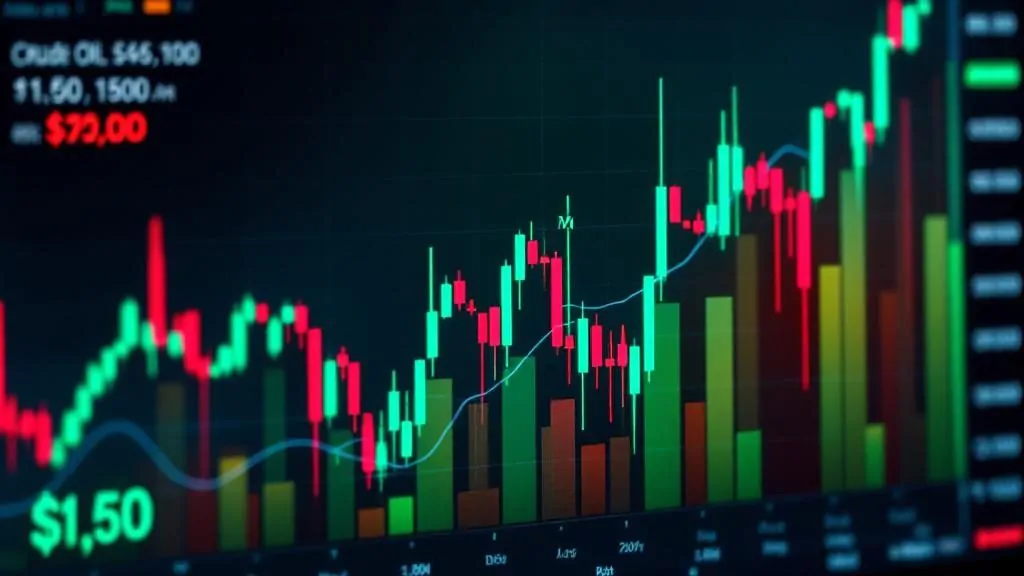
sp500 weekly losing streak - oil price chart showing crude above $100
Crude oil above $100 has been a key catalyst behind the S&P 500’s extended decline.

Why the S&P 500 Weekly Losing Streak Matters

Three-week losing streaks in the S&P 500 are not uncommon during corrections, but the context surrounding this one is particularly concerning. The last time the index posted three consecutive negative weeks was in March 2025, and that episode preceded a further 5% drawdown before buyers stepped in.

What makes the current environment more dangerous is the confluence of headwinds. Unlike typical market pullbacks driven by a single catalyst, the March 2026 selloff is being fueled by at least three simultaneous forces: an energy crisis triggered by Iran’s control of the Strait of Hormuz, weakening corporate guidance across multiple sectors, and sticky inflation that is complicating the Federal Reserve’s path forward.

From a technical standpoint, the S&P 500 has broken below its 100-day moving average and is now testing the 200-day moving average—a level closely watched by institutional traders. A sustained close below this level could trigger additional selling from systematic and trend-following funds.

Oil Above $100: The Elephant in the Room

The most significant driver of the current sp500 weekly losing streak is the dramatic surge in crude oil prices. Brent crude has been trading above $100 per barrel since March 9, when airstrikes on energy infrastructure in and around Tehran sent prices skyrocketing. Iran’s subsequent announcement that the Strait of Hormuz would remain shut to commercial shipping has kept prices elevated.

According to CNN Business, the G7 nations have discussed releasing emergency oil reserves, but the measure has done little to calm markets. Oil above $100 acts as a tax on consumers and businesses alike, eroding profit margins for airlines, logistics companies, and manufacturers while simultaneously pushing up input costs across the economy.

Energy stocks have been the lone bright spot in the S&P 500 during this stretch, with the Energy Select Sector SPDR Fund (XLE) gaining over 8% in March alone. Companies like ExxonMobil, Chevron, and ConocoPhillips have seen their shares surge to multi-year highs, but their gains have not been enough to offset the broader index’s decline.

Wall Street traders during market sell-off amid oil crisis
Wall Street has seen heightened volatility as multiple headwinds converge on equity markets.

Earnings Season Adds to the Pain

Corporate earnings have compounded the selling pressure. This week alone saw 136 companies report earnings on Thursday, and the overall tone was cautious at best. Two high-profile names in particular captured the market’s attention:

  • Adobe (ADBE) dropped 6% despite beating both revenue and profit estimates. The selloff was driven by weaker-than-expected forward guidance, with management citing uncertainty around enterprise spending amid the oil shock and geopolitical instability.
  • Ulta Beauty (ULTA) tumbled 10.5% after reporting weaker-than-expected quarterly earnings. The beauty retailer’s miss raised concerns about consumer spending resilience, particularly among discretionary retail names.

On a brighter note, technology names like Fair Isaac (FICO) and Micron Technology (MU) posted gains of 4.48% and 4.37% respectively, suggesting that pockets of strength remain in the tech sector. However, as TheStreet noted, even with nine of the top 20 performers coming from technology, the index barely managed to stay afloat on Friday.

Sector Performance During the Selloff

The three-week decline has created a clear divide across sectors. Here is how the major S&P 500 sectors have performed during the losing streak:

  • Energy: +8.2% — Benefiting directly from $100+ oil
  • Utilities: +1.1% — Defensive rotation play
  • Healthcare: -0.4% — Relatively resilient
  • Consumer Staples: -1.2% — Mild pressure from inflation concerns
  • Financials: -2.8% — Yield curve worries
  • Technology: -3.5% — Growth premium being repriced
  • Consumer Discretionary: -5.1% — Spending fears from oil-driven inflation
  • Industrials: -4.3% — Input cost pressures

This rotation pattern is classic late-cycle behavior, where investors shift from growth to value and from cyclicals to defensives. The question now is whether this rotation accelerates into a broader risk-off move.

What History Tells Us About Three-Week Losing Streaks

Looking at historical data, the S&P 500 has experienced three-week losing streaks roughly 4-6 times per year on average. However, when those streaks occur alongside a new 52-week low (or in this case, a new annual low), the forward returns tend to be more polarized.

According to research from our recent analysis on stagflation risks, the combination of rising oil prices and declining equity markets has historically led to one of two outcomes: either a sharp V-shaped recovery once the energy shock subsides, or a prolonged grinding bear market if inflation becomes entrenched.

The 1970s oil shocks saw the S&P 500 decline by more than 40% over 18 months. The 2022 energy spike, by contrast, saw markets bottom within six months. The current environment sits somewhere between these extremes, and the outcome will likely depend on how quickly geopolitical tensions in the Middle East de-escalate.

Oil tanker in Strait of Hormuz geopolitical tensions
The Strait of Hormuz blockade remains the key wildcard for both oil prices and equity markets.

The Fed’s Impossible Position

Adding another layer of complexity is the Federal Reserve’s policy dilemma. Before the oil shock, markets had been pricing in rate cuts for the second half of 2026. Now, with crude above $100 pushing headline inflation higher, the Fed faces a classic stagflation trap—slowing growth with rising prices.

The PCE price data released on March 13 showed inflation ticking higher, complicating the narrative that the Fed would be able to cut rates by summer. If oil remains elevated, the Fed may be forced to hold rates steady or even consider further tightening—a scenario that would likely extend the sp500 weekly losing streak further.

Bond markets are already signaling stress. The 10-year Treasury yield has climbed back above 4.5%, and the yield curve remains inverted at the 2-year/10-year spread—a persistent recession indicator that has been flashing warnings since 2023.

Key Levels to Watch Next Week

Technical analysts are watching several critical levels as markets enter the week of March 17:

  • S&P 500 at 4,850: The 200-day moving average and a key psychological support level. A break below could trigger stop-loss selling.
  • VIX above 25: The CBOE Volatility Index has been creeping higher and a sustained move above 25 would signal increased hedging activity.
  • Oil at $95 vs $105: A pullback below $95 could provide relief; a push above $105 would likely accelerate the equity selloff.
  • 10-Year yield at 4.6%: Higher yields would further pressure growth stocks and rate-sensitive sectors.

For investors wondering how energy stocks are positioned to benefit from the current crisis, the playbook is relatively straightforward: integrated oil majors and upstream producers remain the best hedges against continued oil strength.

Investment Implications and Strategy

The extended sp500 weekly losing streak creates both risks and opportunities for active investors. Here are three strategic considerations:

1. Don’t fight the trend, but watch for exhaustion signals. Three-week losing streaks often end with a capitulation day—a high-volume selloff followed by a sharp reversal. Watch for volume spikes on down days as a potential sign of forced liquidation.

2. Quality over speculation. In uncertain environments, companies with strong balance sheets, pricing power, and stable cash flows tend to outperform. This means large-cap value stocks, dividend aristocrats, and companies with minimal energy input costs.

3. Energy exposure as a portfolio hedge. As we detailed in our analysis of the Iran-Hormuz oil crisis, maintaining some exposure to energy names provides a natural hedge against the primary risk factor driving the current selloff.

The Bottom Line

The S&P 500’s three-week losing streak and new 2026 low reflect a market grappling with a rare convergence of geopolitical, macroeconomic, and corporate headwinds. While history suggests that such streaks often precede tradeable bounces, the ongoing oil crisis and inflation concerns make this environment particularly treacherous for bottom-fishers.

The week ahead will be pivotal. If oil pulls back and geopolitical tensions show signs of easing, a relief rally could materialize quickly. If not, investors should prepare for the possibility that this losing streak extends into a fourth week—and potentially marks the beginning of a more significant correction.

Stay disciplined, manage risk, and keep dry powder available. Markets in transition reward patience above all else.

2026 stock market forecast Adobe earnings alternative energy stocks forecast 2026 crude oil Federal Reserve inventory impact on oil prices Iran conflict losing streak market correction market selloff stagflation Strait of Hormuz Ulta Beauty VIX
Share. Facebook Twitter Pinterest LinkedIn Tumblr WhatsApp Email
Previous ArticleStagflation Risk Stocks: Why Oil and Weak Jobs Threaten a 1970s Replay
Trading Market
  • Website

Related Posts
stagflation risk stocks - rising inflation and stagnant growth

Stagflation Risk Stocks: Why Oil and Weak Jobs Threaten a 1970s Replay

March 13, 2026
oil price crash iran - crude oil chart showing dramatic price decline

Oil Price Crash Iran: Crude Drops 12% as Trump Signals De-Escalation

March 11, 2026
oracle q3 earnings - cloud and AI infrastructure driving growth

Oracle Q3 Earnings Preview: Can AI Cloud Growth Rescue ORCL After Q2 Miss?

March 10, 2026
oil price surge stocks - global markets decline as crude oil tops $110

Oil Price Surge Stocks Selloff: Markets Reel as Crude Tops $110 on Iran Conflict

March 9, 2026

Comments are closed.

Top Posts
Our Picks
Forex Vps
Don't Miss
oil price surge stocks - crude oil chart above $100 Indices

S&P 500 Weekly Losing Streak Extends to Three as Index Hits 2026 Low

March 14, 2026

The S&P 500 weekly losing streak extended to three consecutive weeks on Friday, March 14,…

stagflation risk stocks - rising inflation and stagnant growth

Stagflation Risk Stocks: Why Oil and Weak Jobs Threaten a 1970s Replay

March 13, 2026
oil price crash iran - crude oil chart showing dramatic price decline

Oil Price Crash Iran: Crude Drops 12% as Trump Signals De-Escalation

March 11, 2026
oracle q3 earnings - cloud and AI infrastructure driving growth

Oracle Q3 Earnings Preview: Can AI Cloud Growth Rescue ORCL After Q2 Miss?

March 10, 2026
About Us

Trading Market Signals is a leading online financial news magazine established in 2020. It provides comprehensive coverage of a wide range of topics, including stock market, financial and business news. Get stock market quotes,forex , crypto, company news and more.

We're social. Connect with us:

Facebook X (Twitter) Instagram YouTube Tumblr TikTok
Our Partners

Brokers

Buy Forex VPS

High Risk Merchant Account

Hygène 3D

Animalerie en ligne Maroc

Immobilier Maroc


Open Free Trading Account
© Copyright 2026 Trading Market Signals


Note: All information on this page is subject to change. The use of this website constitutes acceptance of our user agreement. Please read our privacy policy and legal disclaimer.

Trading foreign exchange on margin carries a high level of risk and may not be suitable for all investors. The high degree of leverage can work against you as well as for you. Before deciding to trade foreign exchange you should carefully consider your investment objectives, level of experience and risk appetite. The possibility exists that you could sustain a loss of some or all of your initial investment and therefore you should not invest money that you cannot afford to lose. You should be aware of all the risks associated with foreign exchange trading and seek advice from an independent financial advisor if you have any doubts.

Opinions expressed at Trading Market signals are those of the individual authors and do not necessarily represent the opinion of Trading Market signals or its management. Trading Market signals has not verified the accuracy or basis-in-fact of any claim or statement made by any independent author: errors and omissions may occur. Any opinions, news, research, analyses, prices or other information contained on this website, by Trading Market signals , its employees, clients or contributors, is provided as general market commentary and does not constitute investment advice. Trading Market signals will not accept liability for any loss or damage, including without limitation to, any loss of profit, which may arise directly or indirectly from use of or reliance on such information

Type above and press Enter to search. Press Esc to cancel.

Sign In or Register

Welcome Back!

Login below or Register Now.

Lost password?

Register Now!

Already registered? Login.

A password will be e-mailed to you.