
Understanding the Economic Calendar: A Trader’s Essential Tool
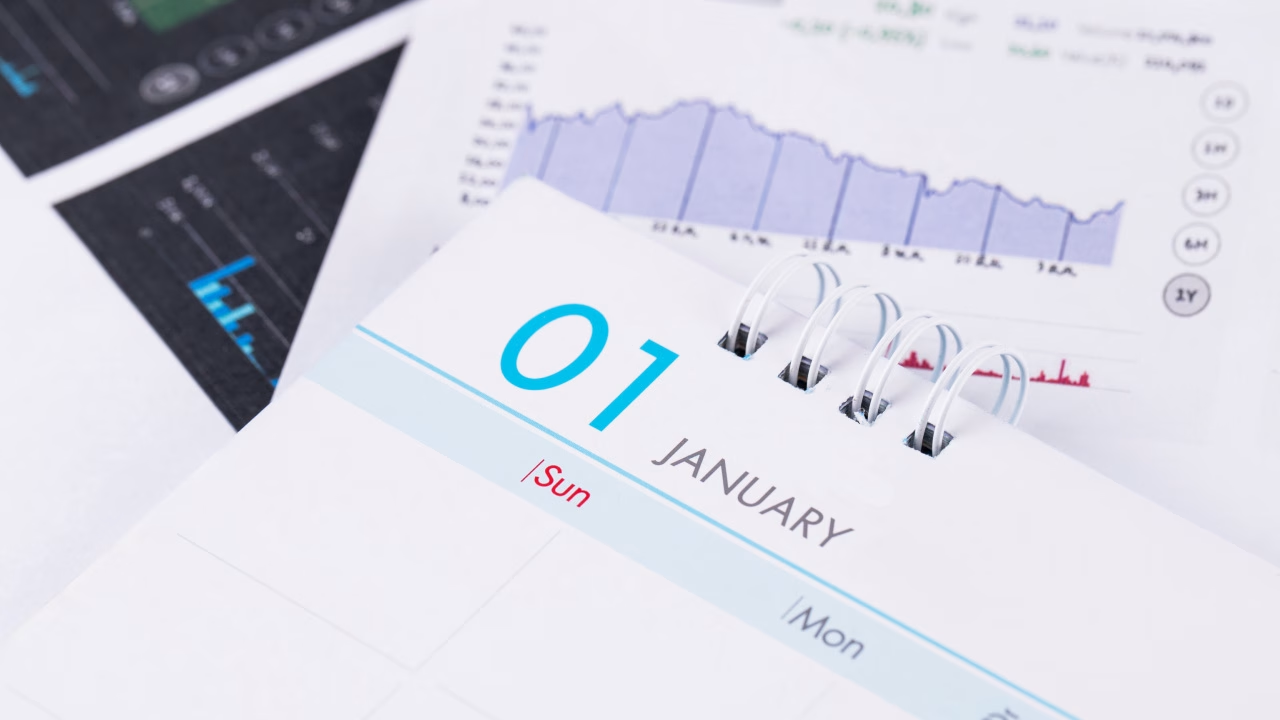
Economic Calendar – In the fast-paced world of financial markets, knowledge is power. One of the most valuable resources for traders and investors is the economic calendar. This indispensable tool provides crucial insights into upcoming economic events and releases that can significantly affect market movements. Understanding how to effectively use the economic calendar can enhance your trading strategies and improve your market predictions. In this article, we will delve into the concept of the economic calendar, its significance, key events to watch for, and tips for integrating it into your trading approach.

What is an Economic Calendar?
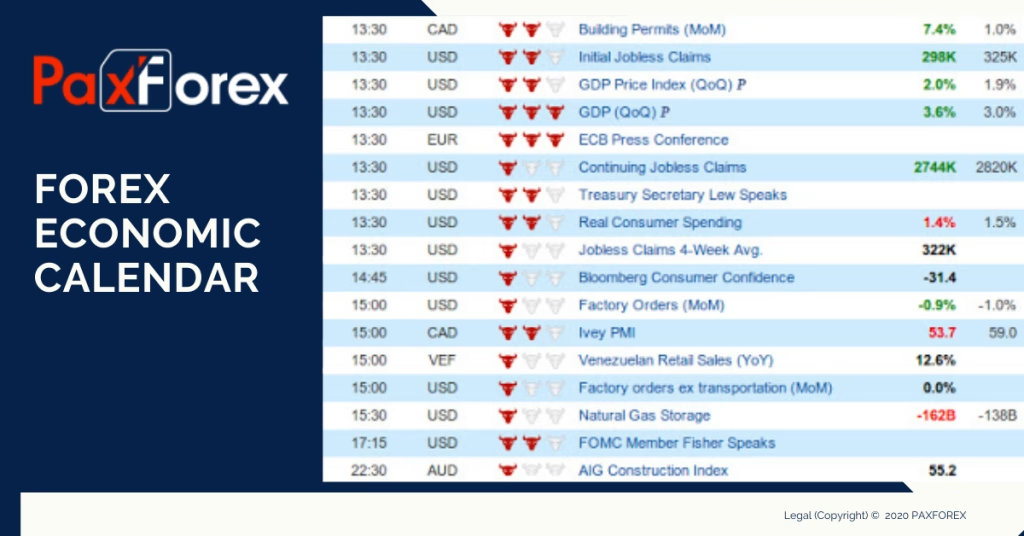
An economic calendar is a schedule of upcoming economic events, reports, and indicators that may influence financial markets. These events can include scheduled government reports, speeches by financial authorities, and key economic data releases. The calendar is typically broken down into specific time frames, such as daily, weekly, or monthly, providing traders with a roadmap of important financial happenings.
Importance of the Economic Calendar
- Market Timing: The economic calendar helps traders determine the best times to enter or exit positions based on anticipated market volatility. Key reports or announcements can lead to sharp price movements, making timing your trades crucial.
- Forecasting: By analyzing historical data around specific economic events, traders can develop predictive insights about potential market directions and trends.
- Risk Management: Awareness of upcoming events allows traders to adjust their positions or strategies accordingly to mitigate risks associated with unexpected volatility.
- Informed Decision-Making: The economic calendar provides comprehensive information about the economic environment, helping traders make informed decisions based on the latest data and trends.
Key Events to Monitor in the Economic Calendar
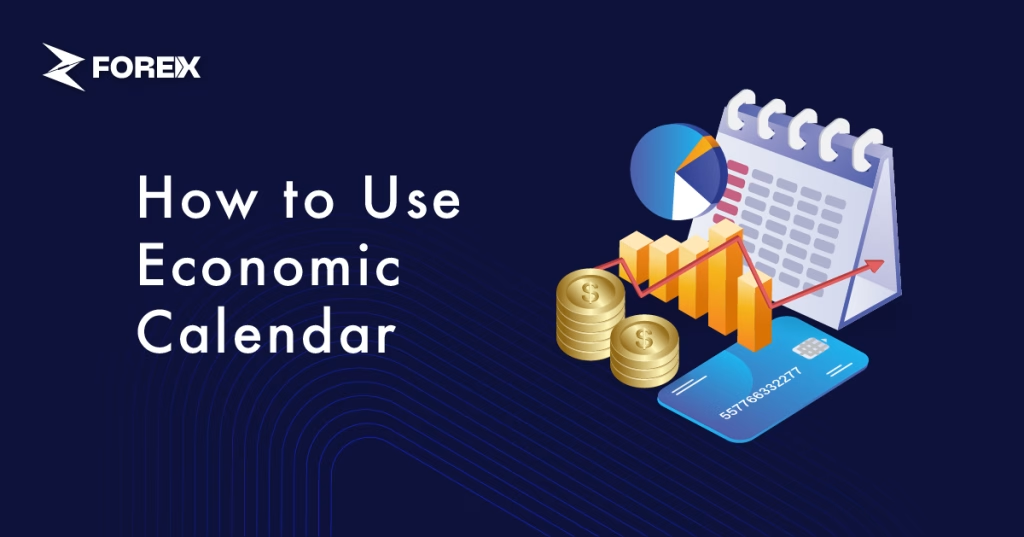
While every economic event listed in an economic calendar can potentially impact markets, some are of particular significance:
- GDP Releases: The Gross Domestic Product (GDP) measures the total economic output of a country. Quarterly GDP reports can lead to significant market reactions due to their implications for economic health.
- Employment Reports: Data related to employment, such as the Non-Farm Payrolls (NFP) report in the United States, can influence stock and Forex markets. High employment figures typically indicate a robust economy, which may strengthen the currency.
- Central Bank Meetings: Decisions made by central banks, such as the Federal Reserve or European Central Bank, regarding interest rate changes can have profound effects on currency and equity markets.
- Inflation Reports: Indicators like the Consumer Price Index (CPI) and Producer Price Index (PPI) help gauge the inflation rate, influencing central bank policies and market expectations.
- Consumer Confidence Index: This metric reflects consumer sentiment regarding the economy’s health. High confidence generally leads to increased spending and economic growth, impacting market trends.
- Manufacturing and Service PMI: The Purchasing Managers’ Index (PMI) provides insight into business activity levels in the manufacturing and service sectors. A reading above 50 indicates expansion, while below suggests contraction.

How to Use the Economic Calendar for Trading
Integrating the economic calendar into your trading strategy can be pivotal for success. Here’s how you can effectively utilize it:
1. Stay Ahead of Events
By regularly checking the economic calendar, you can anticipate critical announcements and reports. Make a habit of reviewing upcoming events relevant to your trading assets, whether equities, commodities, or currencies.
2. Analyze Market Reactions
Look back at historical data to assess how previous announcements have influenced market movements. Analyze the relationship between specific data releases and price fluctuations to develop a sense of potential outcomes.
3. Set Alerts
Many trading platforms and economic calendars offer alert features that notify you before significant releases. Setting alerts enables you to stay informed without constantly monitoring the calendar.
4. Plan Your Trades
Prior to major economic announcements, consider adjusting your positions, take profits, or implement risk-hedging strategies. Absorbing market-moving news without protection can lead to unexpected losses.
5. Avoid Trading During High Volatility
If you are a less experienced trader, consider avoiding trades immediately before and after significant economic releases. The volatility around these events can lead to unpredictable price movements.
Effective Economic Calendar Platforms
Several platforms provide reliable economic calendars with real-time updates and data analysis capabilities. Here are a few you can consider:
- Trading Economics (https://tradingeconomics.com/calendar) – Offers a comprehensive economic calendar with insights into global economic events.
- Investing.com (https://www.investing.com/economic-calendar/) – Features a detailed economic calendar along with market forecasts and expert analysis.
- Forex Factory (https://www.forexfactory.com/calendar.php) – A user-friendly platform that allows traders to view economic events and customize alerts based on their trading preferences.
- DailyFX (https://www.dailyfx.com/economic-calendar) – Provides an integrated economic calendar with news updates and analysis catered to Forex traders.
Conclusion
The economic calendar is an essential tool for traders who wish to stay informed and enhance their trading strategies. By understanding key events, monitoring their potential impact, and effectively incorporating this resource into your trading activities, you can navigate the complex financial landscape with greater confidence. For more resources and insights to refine your trading strategy, explore Trading Market Signals, where we provide valuable market information and trading tools.
Relevant Outgoing Links
Internal Links

Tradingmarketsignals serves as the definitive digital ecosystem for the modern wealth management community. As a premier source of intelligence, it delivers high-level analysis, regulatory updates, and technological insights tailored specifically for independent financial advisors, RIA leaders, and investment professionals.