

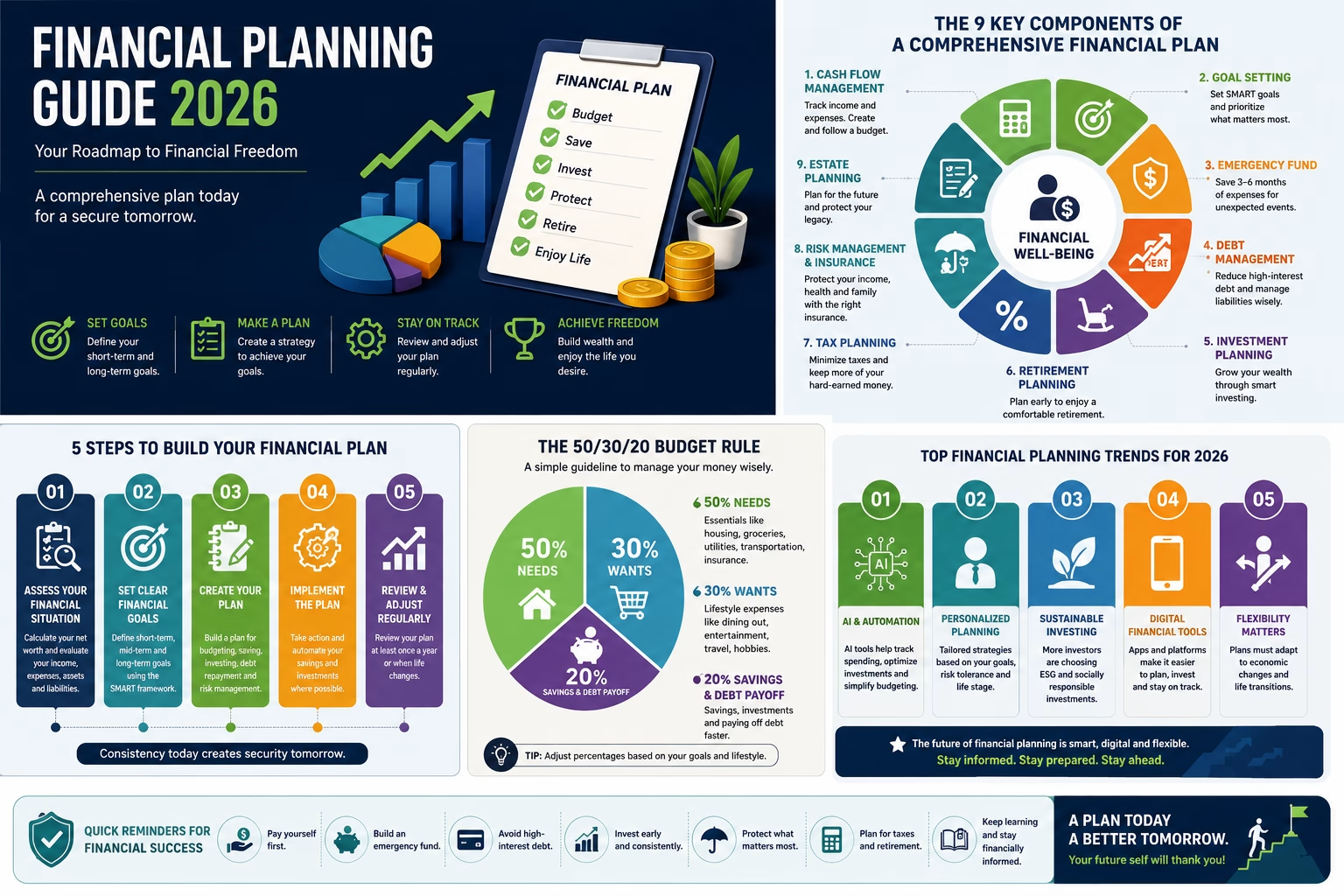

Financial planning in 2026 is no longer optional—it’s essential. With rising living costs, evolving technology, and changing economic conditions, managing your money requires a structured, strategic approach. While investing often gets the spotlight, it’s just one component of a broader financial picture. True success comes from comprehensive financial planning—aligning your income, spending, saving, and investing into one cohesive plan.
This guide covers what financial planning is, why it matters, and how financial planners can help—along with the latest strategies and techniques for 2026.
What Is Financial Planning?
Financial planning is a structured process of managing your finances to achieve life goals. It includes budgeting, saving, investing, tax planning, retirement planning, and risk management.
At its core, financial planning is a long-term, ongoing process that evolves with your life. It helps you:
- Understand your current financial situation
- Set realistic financial goals
- Create a roadmap to achieve them
- Adjust strategies as life changes
According to recent 2026 guidance, financial planning involves assessing your finances, setting goals, building a budget, and continuously reviewing progress.
Why Financial Planning Is Important in 2026
Rising Costs and Economic Uncertainty
Inflation, interest rates, and global economic shifts continue to impact personal finances. Even small financial decisions today can have a major long-term impact.
A Clear Financial Roadmap
Without a plan, it’s easy to overspend, accumulate debt, and miss savings opportunities. A financial plan acts as a roadmap, helping you stay on track toward long-term goals.
Better Decision-Making
Financial planning aligns your daily spending with your long-term objectives, allowing smarter and more intentional financial decisions.
Flexibility and Adaptability
Modern financial planning must be flexible—adapting to life changes, market shifts, and new opportunities.

Key Components of a Comprehensive Financial Plan
1. Budgeting and Cash Flow Management
Why It Matters
Your budget is the foundation of your financial plan. It tracks income and expenses and ensures you’re living within your means.
Best Practices for 2026
- Use AI-powered budgeting tools
- Automate expense tracking
- Categorize spending for insights
AI is increasingly used to monitor spending and suggest improvements in real time.
2. Goal Setting (SMART Framework)
What Are SMART Goals?
SMART stands for:
- Specific
- Measurable
- Achievable
- Relevant
- Time-bound
Example
Instead of: “Save more money”
Use: “Save $5,000 by December 2026”
Clear goals significantly improve financial success rates.
3. Emergency Fund
Why It’s Critical
An emergency fund protects you from unexpected expenses like job loss or medical emergencies.
2026 Recommendation
- Save 3–6 months of living expenses
- Keep funds in accessible accounts
4. Debt Management
Key Strategies
- Prioritize high-interest debt
- Consider consolidation
- Avoid unnecessary borrowing
Reducing debt improves cash flow and financial stability.
5. Investment Planning
Beyond Saving
Investing helps grow your wealth and beat inflation.
2026 Investment Trends
- AI-assisted portfolio management
- Increased focus on diversification
- Personalized risk strategies
Asset Classes
- Stocks
- Bonds
- Real estate
- Alternative investments
6. Retirement Planning
Why Start Early?
Small increases in savings can significantly improve retirement outcomes over time.
2026 Updates
- Higher contribution limits
- Expanded catch-up contributions
- More tax-advantaged options
7. Tax Planning
Key Strategies
- Maximize deductions
- Use tax-advantaged accounts
- Plan withdrawals strategically
Tax planning is becoming increasingly important with changing regulations.
8. Insurance and Risk Management
Types of Coverage
- Health insurance
- Life insurance
- Disability insurance
Protecting your finances is just as important as growing them.
9. Estate Planning
What It Includes
- Wills
- Trusts
- Beneficiary designations
Regular updates are essential, especially after major life changes.
Step-by-Step Financial Planning Process
Step 1: Assess Your Financial Situation
- Calculate income
- List expenses
- Evaluate assets and liabilities
This creates a baseline for your plan.
Step 2: Set Financial Goals
Break goals into:
- Short-term (1 year)
- Medium-term (1–5 years)
- Long-term (5+ years)
Step 3: Create a Plan
Develop strategies for:
- Saving
- Investing
- Debt repayment
Step 4: Implement the Plan
Take action:
- Automate savings
- Adjust spending habits
- Start investing
Step 5: Monitor and Adjust
Review your plan:
- Annually
- After major life events
Financial planning is a living process that requires regular updates.
Latest Financial Planning Trends for 2026
1. AI and Automation
AI tools now:
- Track spending
- Suggest investments
- Optimize taxes
This makes financial planning more accessible than ever.
2. Personalized Financial Strategies
Generic advice is outdated. Plans must reflect:
- Individual goals
- Risk tolerance
- Life circumstances
3. Holistic Wealth Planning
Financial planning now integrates:
- Mental well-being
- Lifestyle goals
- Family planning
4. Increased Focus on Flexibility
Plans must adapt to:
- Economic changes
- Career shifts
- Global uncertainty
5. Digital Financial Tools
Popular tools include:
- Budgeting apps
- Robo-advisors
- Investment platforms
How Financial Planners Can Help
Expert Guidance
Financial planners provide professional insights that help you make informed decisions.
Customized Strategies
They tailor plans to your unique situation, goals, and risk tolerance.
Accountability and Discipline
Working with a planner keeps you on track and motivated.
Tax and Investment Optimization
Planners help maximize returns while minimizing taxes.
When Should You Hire a Financial Planner?
Consider hiring one if:
- Your finances are complex
- You’re planning for retirement
- You want to optimize investments
- You lack time or expertise
Common Financial Planning Mistakes to Avoid
1. Not Having a Plan
Failing to plan leads to poor financial outcomes.
2. Ignoring Emergency Savings
Unexpected expenses can derail your finances.
3. Overlooking Debt
High-interest debt can slow wealth building.
4. Not Reviewing Your Plan
Your plan must evolve with your life.
5. Relying Only on Investing
Investing alone is not enough—comprehensive planning is key.
Practical Tips for Financial Success in 2026
Automate Everything
- Savings
- Investments
- Bill payments
Increase Savings Gradually
Even a 1% increase can make a big difference over time.
Diversify Income Streams
- Side hustles
- Passive income
- Investments
Stay Educated
Financial literacy is essential in a rapidly changing world.
Review Regularly
At least once a year—or after major life events.
Conclusion: Financial Planning Is Your Ultimate Wealth Strategy
Investing is important—but it’s only one piece of the puzzle. Comprehensive financial planning ties everything together, creating a clear path toward your goals.
In 2026, success requires:
- Strategic planning
- Smart use of technology
- Continuous adaptation
Whether you manage your finances independently or work with a professional, the key is to start now. A well-structured financial plan doesn’t just build wealth—it provides clarity, confidence, and long-term security.
About Me

Founder and Chief Research Analyst at Trading Market Signals. Abdelali El Khadmaoui specializes in AI Wealth Intelligence, Wealth Management, Registered Investment Advisors (RIAs), Family Offices, Retirement Planning and Private Credit. He publishes in-depth research and data-driven analysis for financial professionals.